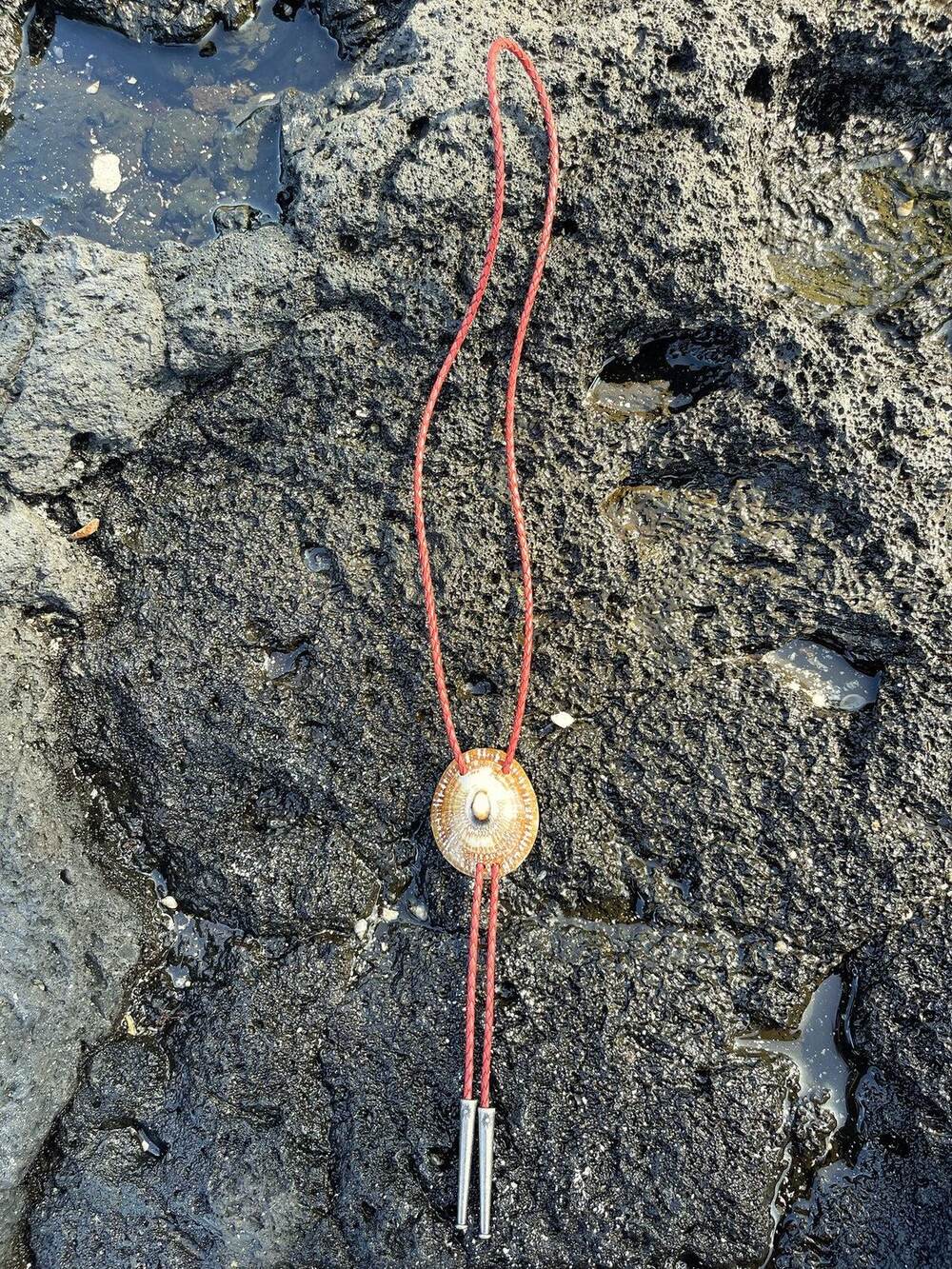
If you want to see bolo ties in their natural habitat, go to a rodeo. Walk the grounds and you'll spot them everywhere — on competitors and spectators alike, silver and stone slides catching the afternoon sun. Out there, a bolo isn't a costume or a fashion statement. It's just what you wear.
The bolo has been part of western life for as long as it's existed. It grew up in the American Southwest alongside ranchers, cowboys, and the silversmiths of the region — and it never left.
At the rodeo
Spend a day at a rodeo and you'll find bolos for sale right beside the hats and the boots — vendor stalls lined with hand-tooled leather and stone slides, each one a little different from the last. People wear them to dress up a snap shirt for the grandstand, to compete in, to celebrate in. A rodeo is one of the few places on earth where a necktie and a pair of spurs feel like they belong on the same person.
On the ranch
Out on the ranch, the bolo earns its keep for a practical reason, too: it's neckwear that dresses up a working shirt without ever getting in the way. There's no long, loose tie to catch on livestock, fence wire, or machinery. A rancher can wear the same bolo from morning chores to church to the county fair — just by sliding it up snug or letting it ride a little lower. Comfortable, handsome, and out of the way; that's a hard combination to beat.
"The bolo has always been the necktie for people who'd rather not wear one."
The western spirit, carried forward
My bolos are made of Hawaiian shells rather than silver and turquoise, but they carry that same western soul — rugged, independent, a touch of the rebel. The bolo has always been for people who do things a little their own way, and that's a spirit I'm proud to keep alive, four thousand miles out in the Pacific.
From the rodeo grounds to the shoreline
So whether you're headed to a rodeo, working a ranch, or you just love the look, there's a bolo for you. Mine simply trade the desert for the shore — the same western classic, gone island, and every one still entirely its own.
— Aaron