My name is Aaron, and I am a shelloholic. There is no meeting for this, no twelve steps, and I want no cure. I am addicted to shelling — to the wandering itself, and to the way it makes me feel inside. Somewhere between the car door closing and my feet hitting the tideline, thirty-some years fall off me. I am a kid again, on a treasure hunt, and the map redraws itself with every tide.
The surprise is the point
You never know what a shoreline will hand you. That is the whole addiction, right there. Some days it is a cowrie with its shine still on. Other days it is fossil coral, a piece of sea glass gone soft at the edges, a bleached bone, a whale tooth, or the strange little beaks of parrotfish — the teeth they use to crunch and scrape at the coral, polished and dropped like coins. I have found seeds that drifted from trees I will never see, shards of old pottery, and plenty of trash, which goes in my other pocket and comes home to the bin. Even the dead things — the fish, the urchins picked clean — are part of the honesty of it. The shore does not curate itself for you. It shows you everything, and lets you choose what to carry.
"Nature leaves treasure lying around for anyone patient enough to walk slowly. That still amazes me."
The ones watching
And you are never really out there alone. Monk seals hauled out like driftwood that breathes. Honu resting on the sand. Dolphins working the bay, whales breaching in season, whole schools of fish leaping like thrown silver, eels keeping watch from the rocks. Rainbows show up so often here that you almost forget to be astonished — almost. I give the animals the space the law and plain respect require, and honestly, distance is part of the gift: you get to watch something wild go about its life without asking anything of you. Every one of those encounters sends me home lighter. Call it positive frequencies, call it vibration, call it whatever you like — I just know the feeling follows me back up the beach.
Paying the toll
I will be honest about the other part too. The best shells often show up when a big swell tears at the shore bank and exposes what the sand has been hoarding — and I have played that game of tag with the ocean more times than I should admit. Run down, grab, run back. I have lost the game plenty. I have fallen hard, and Kona lava rock does not negotiate: it takes its little toll of skin and keeps the change. I carry the scars the way the shells carry theirs. But let me say it plainly, because the ocean deserves it: never turn your back on the water, and when the swell is truly up, the best treasure hunting is done with your feet dry. The shells will still be there. The tide always brings more.
The healing part
Here is the part I did not expect. When I tore my meniscus, it was the shoreline that rehabbed me. Slow miles on uneven ground, every step a small negotiation — sand, rock, slope, balance. Shelling became my physical therapy, and together with yoga it walked me all the way back to full mobility. The knee healed on the same beaches that feed the work. I do not think that is a coincidence. I think the body mends faster when it is somewhere it loves, doing something that feels like play.
Coming home
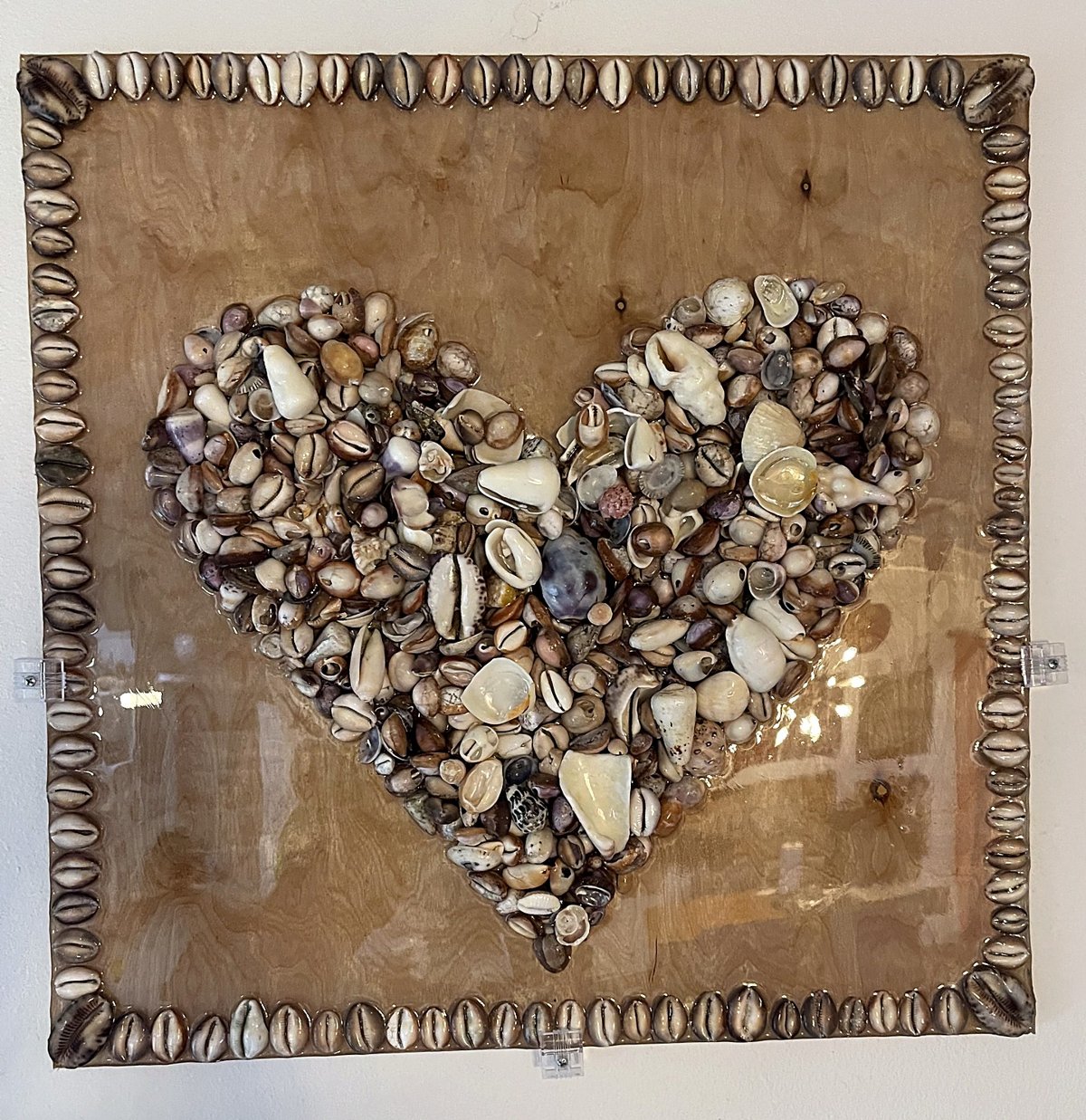
The walk ends the same way every time: pockets and hands full, coming home to my wife to lay the day's treasures out and tell their stories — where the water was, what the light did, which seal was sleeping on which rock. Some finds go into the collection. The rare few become bolo ties. The broken and tumbled ones, the imperfect ones that will never hang from a cord, became the shell art on our walls — because even the fragments deserve a place. The more the ocean gives, the more I want to give it back: respect, clean beaches, and work made slowly, by hand, from what it offered freely.
So no, I am not looking for a cure. Shelling keeps me young, keeps me humble, keeps me healthy, and keeps me grateful. If you see someone on a Kona shoreline at first light, head down, moving like he has nowhere else on Earth to be — come say aloha. I will probably show you what the tide brought in.
— Aaron