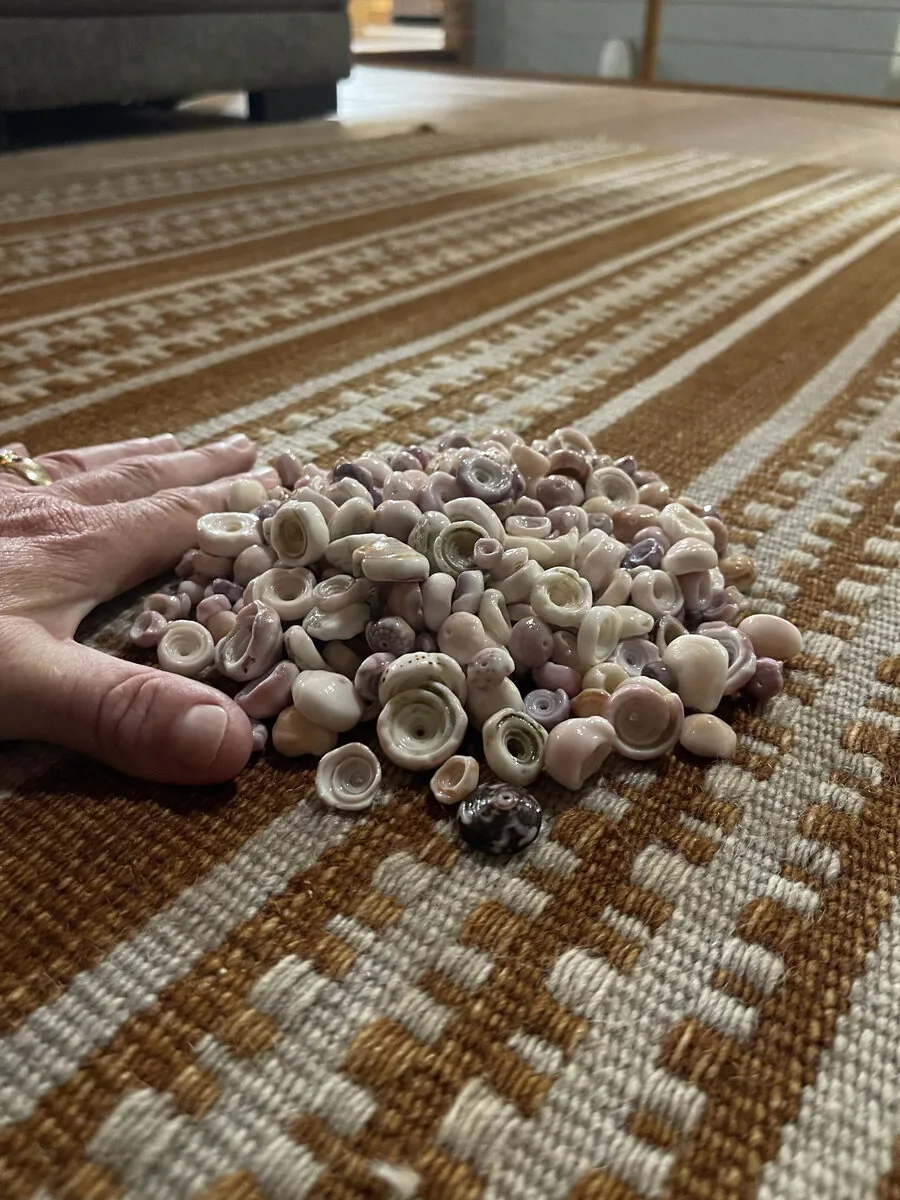
There's a certain kind of morning I live for: low tide, soft light, and a quiet stretch of shoreline with nobody on it. Beachcombing on the Big Island isn't really about what you find — though the finds are wonderful. It's about the looking. Head down, mind quiet, eyes scanning the tide line, you slow all the way down to the rhythm of the waves. It's the closest thing I have to meditation.
The hunt
Every shore has its own personality. Black-sand beaches, tide pools tucked into lava rock, the seam where the last wave laid its offerings down — each holds different treasures on different days. You learn to read the wrack line, to look just after a big swell, to spot the one shell with character among a thousand ordinary ones. That patient eye is the same one I bring to the workbench.
"It isn't about what you find. It's about the looking."
Comb the shore with respect
Hawaiʻi's shores are alive, and they're protected for good reason. If you go looking, please go gently and legally:
- Take only empty shells — never anything with a living creature inside. Many Hawaiian species are protected.
- Leave the protected places untouched. Collecting is not allowed in Marine Life Conservation Districts and similar protected areas.
- Keep it small and personal. A few empty shells for yourself is one thing; stripping a beach is another.
- Never take live coral, and go easy on sand and rocks — leave the shore as beautiful as you found it.
- When in doubt, leave it. A shell left behind still has a job to do in the ecosystem.
Good to know: rules vary by location and can carry real fines, so it's worth checking Hawaiʻi's Division of Aquatic Resources guidance before you collect. Respect for the ʻaina always comes first.
From the tide line to your collar
The shells I work with come from this same patient practice — gathered empty, with gratitude, and given a second life by hand. When you wear one, a little of that quiet shoreline morning comes with it.
— Aaron